
UGOOS has been quietly building a reputation for delivering premium Android TV boxes without the premium price tag, and the SK1 Lite might be their most interesting move yet. Strip away half the RAM, downsize the storage, swap WiFi 6E for WiFi 6, and you've got a box that costs $30 less — but somehow ships with Android 14 while the standard SK1 is still running Android 11. That's a peculiar trade-off, and it's exactly what makes the SK1 Lite worth talking about.
The Basics: What Is the SK1 Lite?
The SK1 Lite is UGOOS's latest addition to its S928X-K lineup, sitting below the flagship SK1 as a more budget-accessible option. At $219.99, it targets users who want serious 8K decoding capability, Dolby Vision, and DTS-HD audio licensing without stretching to the full SK1's $249.99 price tag.
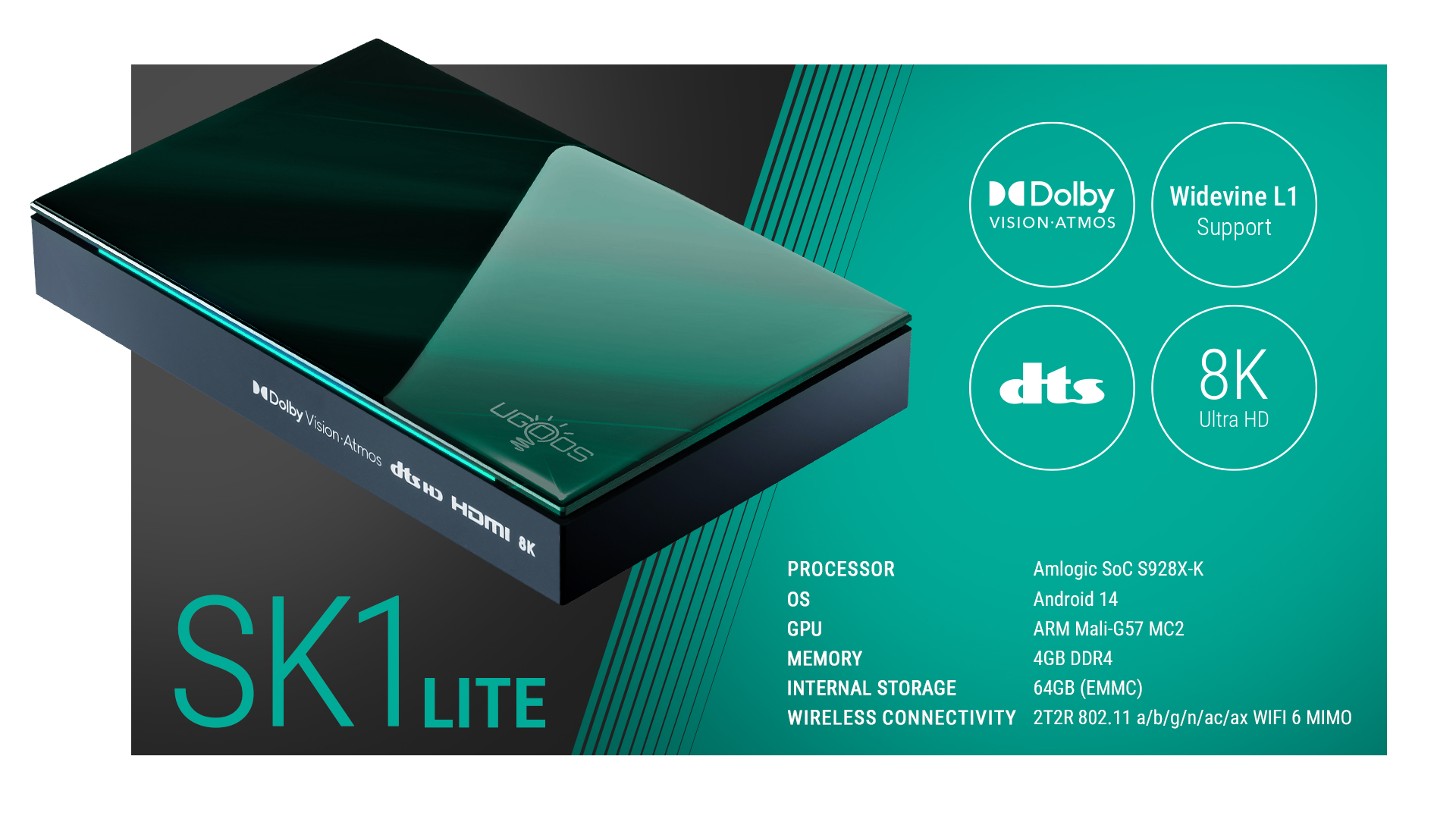
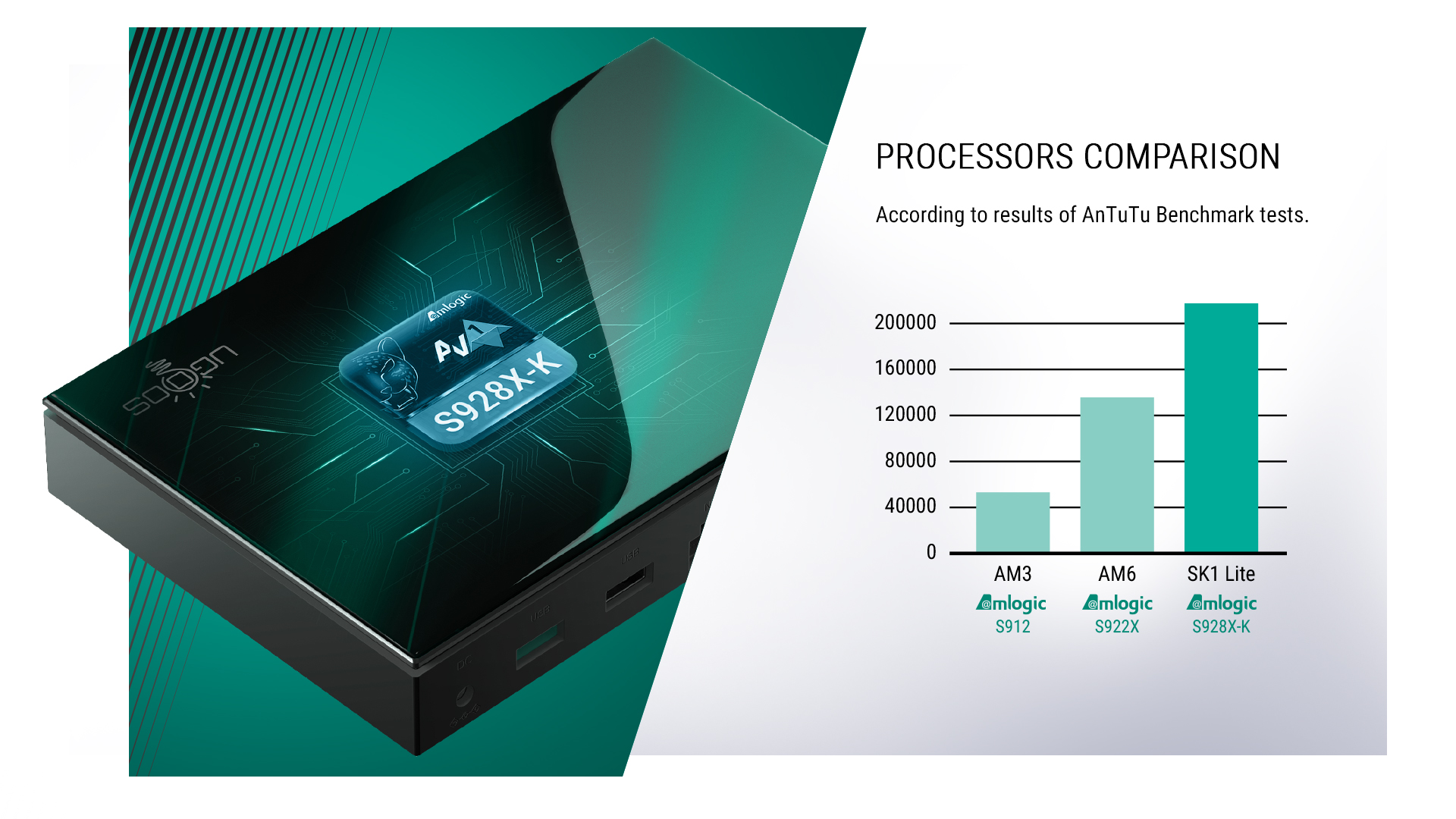
Under the hood, it runs the same Amlogic S928X-K processor — a penta-core configuration featuring one Cortex-A76 core clocked at 2.0GHz paired with four Cortex-A55 cores. The Mali-G57 MC2 GPU handles graphics with support for OpenGL ES 3.2, Vulkan 1.2, and OpenCL 2.0. On paper, the processing muscle is identical to the standard SK1. The cuts come elsewhere.
The device also debuts a new color option that differentiates it visually from the standard model, though UGOOS hasn't revealed the specific color ahead of launch — a minor but fun detail for those who care about aesthetics in their home theater setup.
Performance Hardware: Where UGOOS Cut and Where They Didn't
This is arguably the most important section for anyone deciding between the SK1 and SK1 Lite.
What Stayed the Same (The Good Stuff)
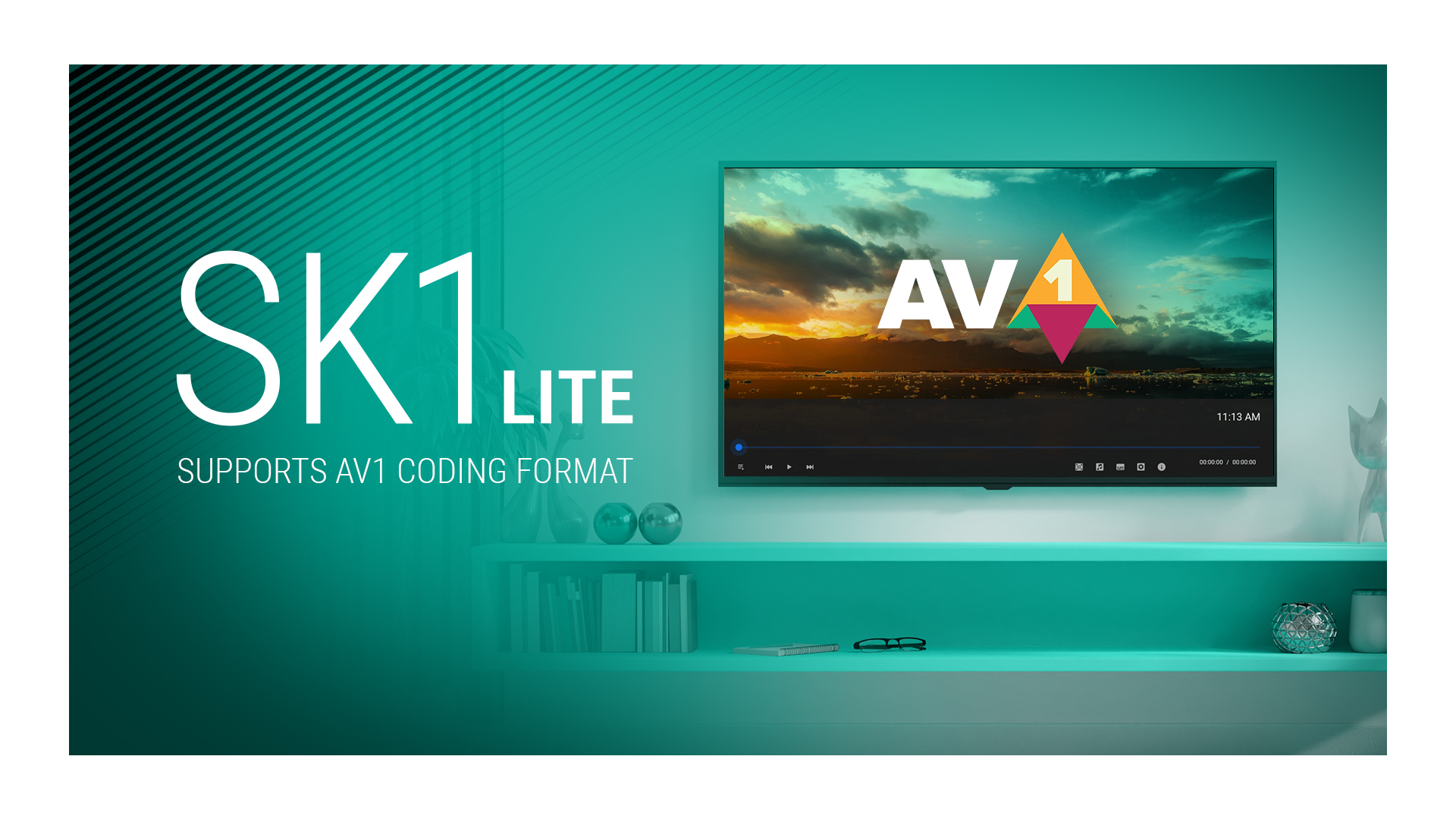
UGOOS made a smart decision keeping the core performance hardware intact. The Amlogic S928X-K chipset is unchanged, meaning you get the full suite of video decoding capabilities:
- 8K@60fps decoding for AV1, H.265, VP9, AVS3, and AVS2
- 10-bit color depth across all supported codecs
- 4K@60fps H.264 decoding with low-latency encoding support
- 3.2 TOPS Neural Network Accelerator for AI upscaling and image enhancement (TensorFlow and Caffe frameworks supported)
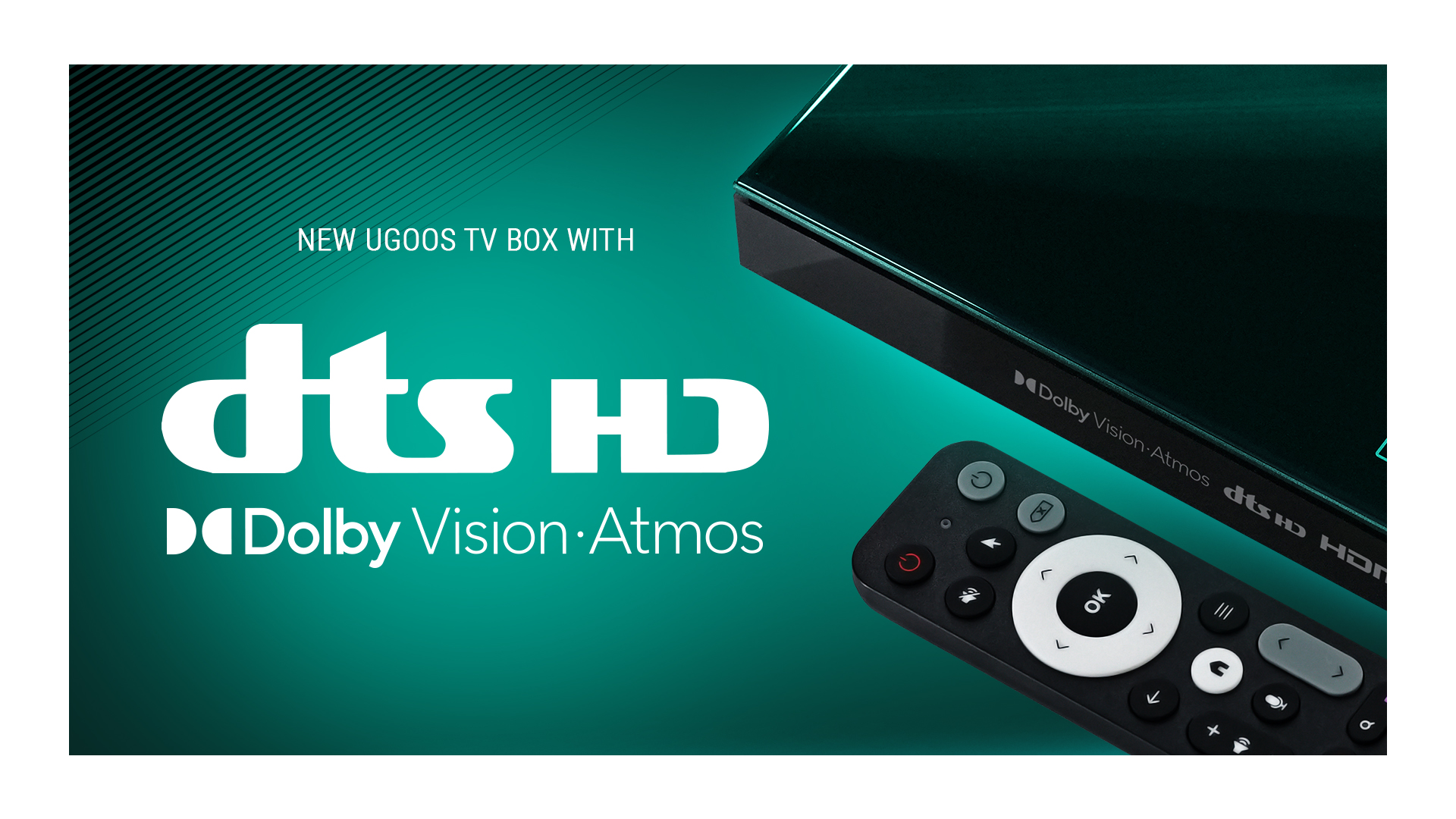
The video output story is equally strong. HDMI 2.1a delivers 8K@60fps with full dynamic range, and HDR support covers every major format: Dolby Vision, HDR10, HDR10+, and HLG. Audio licensing includes Dolby Audio, Dolby Atmos, and DTS-HD, with pass-through support via HDMI, Optical S/PDIF, and a 3.5mm analog jack.
Widevine L1 certification is present, meaning Netflix, Amazon Prime Video, Disney+, and other major streaming services will stream in full HD and UHD without restrictions.
What Changed (The Trade-offs)
Here's where UGOOS trimmed to hit the lower price point:
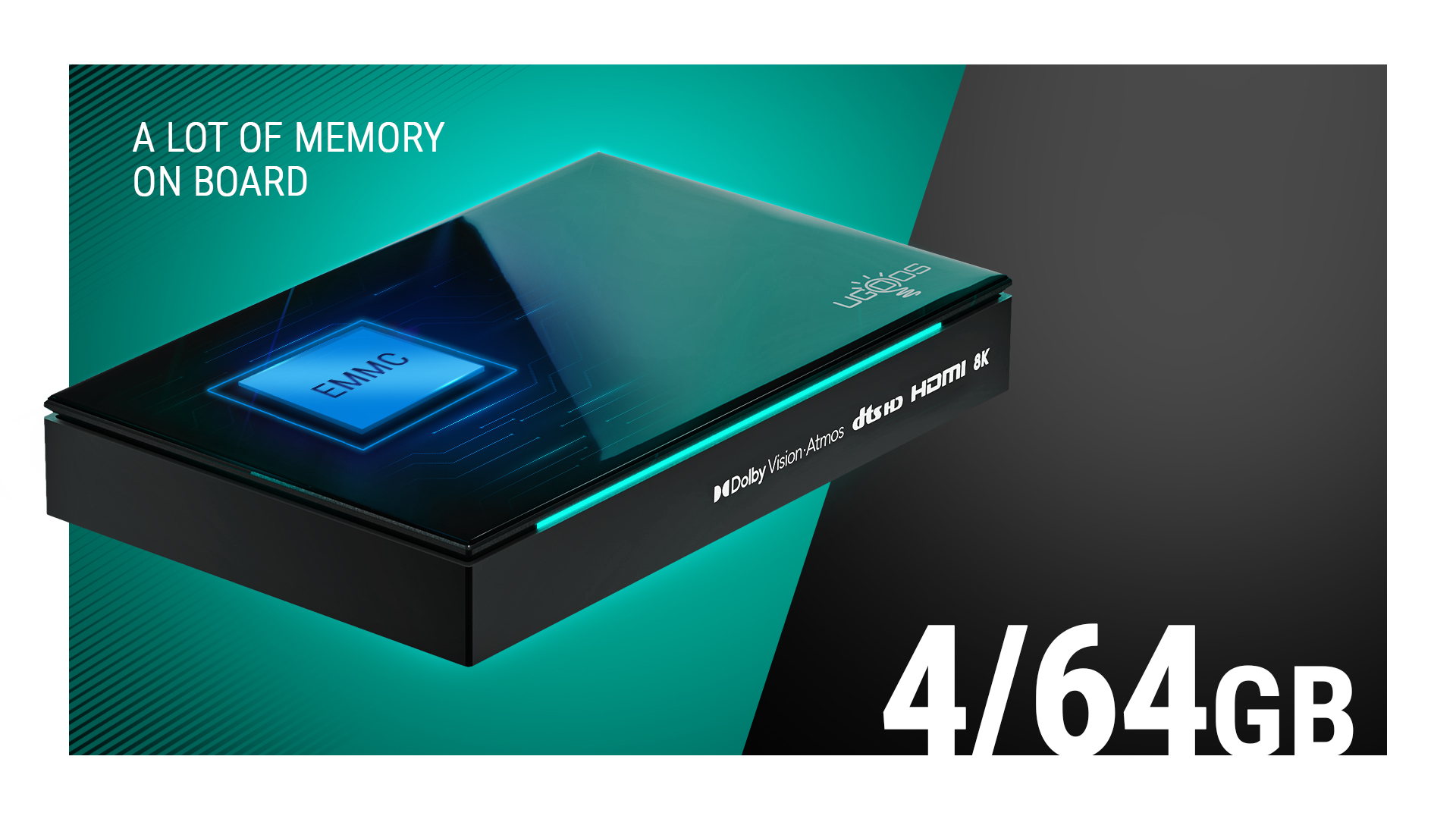
- RAM drops from 8GB to 4GB LPDDR4 — enough for typical streaming workloads, but expect occasional slowdowns when running multiple background apps, heavy launcher themes, or large simultaneous installations
- Storage drops from 128GB to 64GB eMMC — adequate for most users, though heavy offline media collectors will want to lean on the microSD card slot for expansion
- WiFi 6E becomes WiFi 6 — the Realtek 8852be module replaces the Ampak AP6276P, eliminating 6GHz band support while maintaining dual-band 2.4GHz/5GHz with 802.11ax and 2×2 MIMO at up to 1200Mbps theoretical speed
The WiFi downgrade sounds worse than it actually is for most users. The 6GHz band primarily benefits densely congested environments packed with WiFi 6E devices competing for spectrum. In a standard residential setup, 5GHz WiFi 6 handles 4K and 8K streaming bandwidth without breaking a sweat.
The Android 14 Surprise
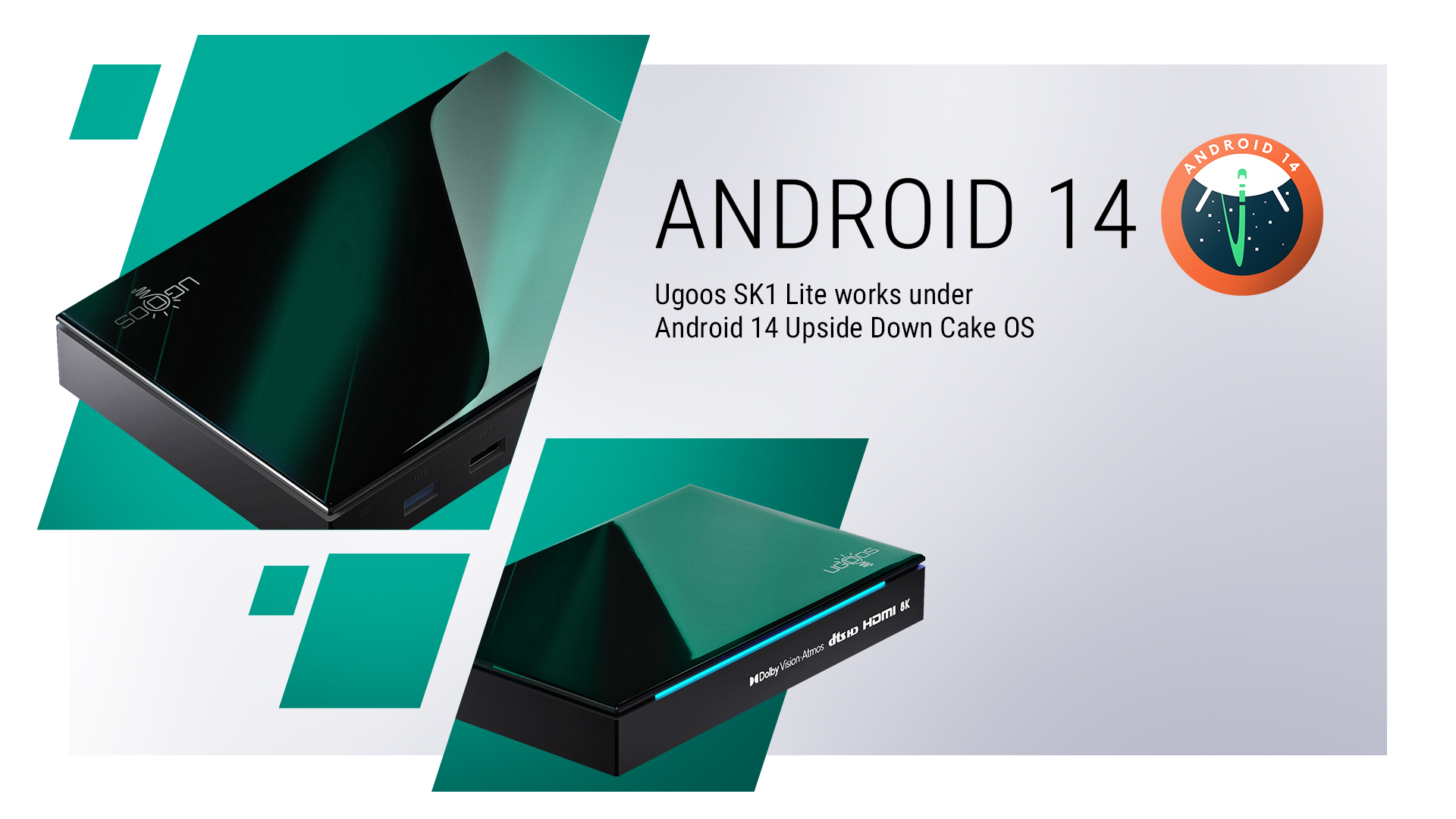
Here's the twist nobody saw coming: the SK1 Lite ships with Android 14, while the standard SK1 — UGOOS's more expensive flagship — is still running Android 11.
That's a three-year OS gap in favor of the cheaper model. Android 14 brings meaningful improvements including better memory management (helpful given the 4GB RAM), enhanced privacy controls, improved media playback performance, and broader app compatibility for streaming services that increasingly require newer Android versions to function correctly.
Whether UGOOS plans to push Android 14 to the standard SK1 via a future firmware update remains unconfirmed, but for now, the Lite model has a genuine software advantage over its pricier sibling.
Connectivity and Ports
The SK1 Lite keeps the same port layout as the standard model, which is a full and practical selection:
| Port | Specification |
|---|---|
| HDMI | 2.1a (8K@60fps) |
| USB 3.0 | With OTG support |
| USB 2.0 | Standard |
| Ethernet | Gigabit RJ45 |
| Audio Out | Optical S/PDIF + 3.5mm jack |
| Expansion | microSD card slot |
| Power | DC 12V/2A |
| IR | Infrared receiver |
Bluetooth 5.2 LE handles wireless peripherals including the bundled remote, headphones, and soundbars. The IR receiver adds compatibility with traditional infrared remotes for users integrating the box into existing home theater setups.
The chassis measures 115×115×24mm — a compact, flat, antenna-less design that sits cleanly in any entertainment center without dominating the shelf space.
Software and UGOOS Custom Features
Beyond Android 14, UGOOS ships the SK1 Lite with its familiar suite of power-user features that have made the brand popular among enthusiasts:
- SAMBA server for network file sharing across local devices
- NFS and CIFS client support for network-attached storage access
- Magisk pre-installed for root access without complex manual setup
- Remote server functionality enabling smartphone-based remote control
- Customizable remote button mapping for tailored control layouts
The included UR-02 Bluetooth voice remote features a built-in gyroscope for air mouse functionality and a dedicated microphone for voice commands — the same remote bundled with other UGOOS premium models.
SK1 Lite vs Standard SK1: The Full Breakdown
| Feature | SK1 Lite | Standard SK1 |
|---|---|---|
| Price | $219.99 | $249.99 |
| Processor | Amlogic S928X-K | Amlogic S928X-K |
| RAM | 4GB LPDDR4 | 8GB LPDDR4 |
| Storage | 64GB eMMC | 128GB eMMC |
| Android Version | 14 ✅ | 11 |
| WiFi | WiFi 6 | WiFi 6E |
| 8K Decoding | ✅ | ✅ |
| Dolby Vision | ✅ | ✅ |
| DTS-HD | ✅ | ✅ |
| Widevine L1 | ✅ | ✅ |
| HDMI | 2.1a | 2.1a |
| Gigabit Ethernet | ✅ | ✅ |
| UR-02 Remote | ✅ | ✅ |
| New Color Option | ✅ | ❌ |
Who Should Buy the SK1 Lite?
The SK1 Lite Is For You If:
- You primarily stream 4K/8K content from Netflix, YouTube, Plex, or Jellyfin
- Your home network runs on standard WiFi 6 or Ethernet
- You don't run heavy multitasking, large app libraries, or complex home automation
- You want Dolby Vision and 8K capability without paying full flagship prices
- You value having the latest Android version out of the box
Stick With the Standard SK1 If:
- You run extensive background apps or complex home automation integrations
- Your environment is WiFi congested and benefits from 6GHz band access
- You want maximum future-proofing with double the RAM and storage
- That extra $30 isn't a dealbreaker for you
Pricing and Where to Buy
| Retailer | SK1 Lite | Standard SK1 |
|---|---|---|
| Official UGOOS Store | $219.99 ✅ | $249.99 ✅ |
| AliExpress | $336 ❌ | $296 ❌ |
The AliExpress pricing situation deserves a direct callout: third-party listings are charging 53% more for the SK1 Lite and 18% more for the standard SK1 compared to official store pricing. There is no justification for paying those premiums. Buy directly from the official UGOOS store — full stop.
Final Verdict
The UGOOS SK1 Lite is a genuinely smart product for the right buyer. It doesn't compromise where it counts — the processor, video decoding, Dolby Vision, DTS-HD, and Widevine L1 are all identical to the flagship SK1. The trade-offs in RAM, storage, and WiFi are real but manageable for the vast majority of streaming-focused users.
The Android 14 advantage is a legitimate bonus that flips the script on what "Lite" typically means in the TV box market. You're not just getting a cheaper box — you're getting a more up-to-date one.
At $219.99 from the official store, the SK1 Lite earns its place as one of the most capable budget 8K Android TV boxes available today. For $30 more, the standard SK1 is still arguably better value for power users. But for everyone else? The Lite model makes a very strong case for itself.
Comments